
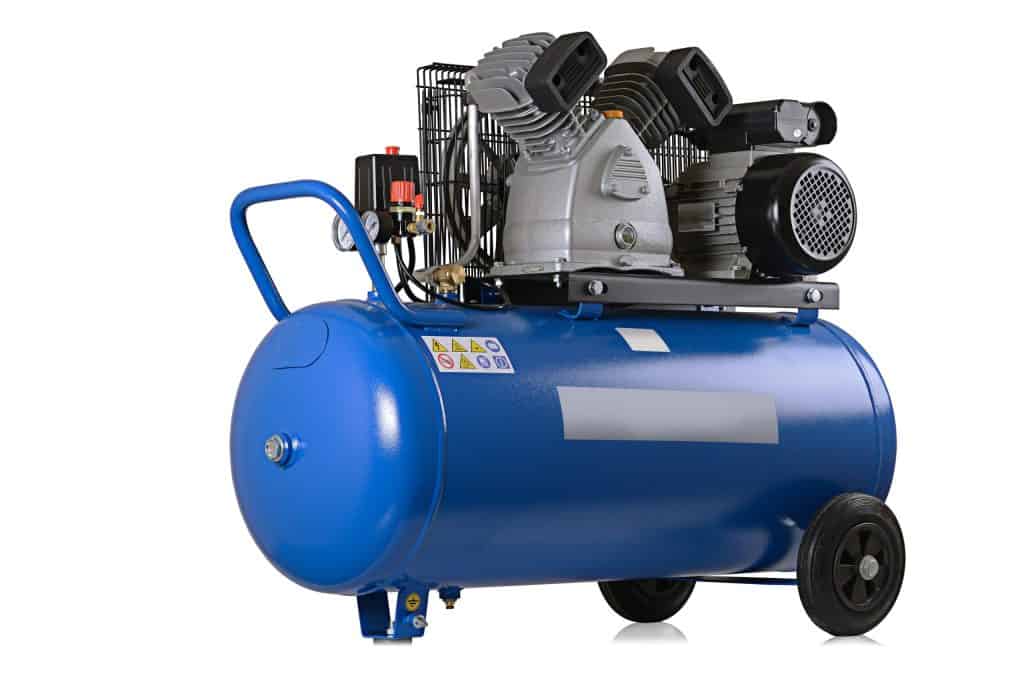
As a compressor oil manufacturer, we understand the importance of selecting the right lubricant for your air compressor. One of the biggest decisions you’ll face when choosing an air compressor lubricant is whether to go for a synthetic or mineral oil. Both have their pros and cons, and it can be difficult to decide which is best for your specific compressor. In this article, we’ll explore the benefits and drawbacks of each type of oil to help you make an informed decision.
What is Synthetic Air Compressor Lubricant Oil?
Synthetic air compressor lubricant oil is a man-made lubricant that is specially designed to provide superior performance and protection to air compressors. Unlike mineral oils, which are derived from crude oil, synthetic oils are made from chemical compounds synthesized in a laboratory. This allows manufacturers to create oils with a range of performance characteristics, making them ideal for high-performance air compressors.
The Pros of Synthetic Air Compressor Lubricant Oil
- Improved Lubrication Properties: Synthetic oils have better lubrication properties than mineral oils. They are less likely to break down under high temperatures and provide better protection against wear and tear, reducing the need for frequent oil changes.
- Better Cold Temperature Performance: Synthetic oils are designed to perform better in cold temperatures, making them an ideal choice for air compressors used in cold environments.
- Increased Resistance to Oxidation: Synthetic oils have a higher resistance to oxidation than mineral oils. Oxidation can cause the oil to break down and lose its lubricating properties over time, which can lead to costly compressor damage.
- Extended Service Life: Synthetic oils typically have a longer service life than mineral oils. This means you can go longer between oil changes, reducing the cost of maintenance.
The Cons of Synthetic Air Compressor Lubricant Oil
- Higher Cost: Synthetic oils are generally more expensive than mineral oils. This is because they require more complex manufacturing processes and use higher-quality base oils and additives.
- Compatibility Issues: Synthetic oils may not be compatible with some older air compressors that were designed for use with mineral oils. It’s important to check with the manufacturer before switching to synthetic oil.
What is Mineral Air Compressor Lubricant Oil?
Mineral air compressor lubricant oil is a lubricant that is derived from crude oil. It’s been the standard choice for air compressors for many years and is still used in many older models of compressors today.
The Pros of Mineral Air Compressor Lubricant Oil
- Lower Cost: Mineral oils are generally less expensive than synthetic oils, making them an attractive option for those on a tight budget.
- Easy Availability: Mineral oils are widely available, making it easy to find a replacement oil when needed.
- Compatibility: Mineral oils are compatible with most air compressors, including older models that were designed for use with mineral oils.
The Cons of Mineral Air Compressor Lubricant Oil
- Poor Cold Temperature Performance: Mineral oils tend to thicken in cold temperatures, making them less effective at lubricating the compressor’s moving parts. This can lead to increased wear and tear on the compressor.
- Shorter Service Life: Mineral oils tend to break down faster than synthetic oils, which means they need to be changed more frequently. This can increase the cost of maintenance over time.
- Increased Risk of Oxidation: Mineral oils are more susceptible to oxidation than synthetic oils. This can cause the oil to break down and lose its lubricating properties over time, leading to costly compressor damage.
Conclusion: Synthetic or Mineral Air Compressor Lubricant Oil?
In summary, both synthetic and mineral oils have their advantages and disadvantages when used in air compressor lubrication. Synthetic oils have a better viscosity index, offer superior oxidation resistance, have better thermal stability, and perform better in extreme temperatures. Mineral oils, on the other hand, are cheaper, more readily available, and have better lubricity.
The best way to determine which oil is suitable for your air compressor is to consider the operating conditions of your compressor, including the type of compressor, operating temperature, and pressure. It is also essential to consider the oil’s specifications and performance ratings to ensure that it meets the manufacturer’s requirements.
At Air Lubricants, we offer a wide range of high-quality synthetic and mineral air compressor lubricant oils suitable for various compressor types and operating conditions. Our team of experts can also provide technical support and guidance to help you choose the right oil for your air compressor and you can see our full lineup here.
In conclusion, choosing the right lubricant oil for your air compressor is essential to ensure optimal performance and longevity. Synthetic and mineral oils both have their benefits and drawbacks, but ultimately the choice comes down to your specific application and operating conditions. At Air Lubricants, we are committed to providing you with the best lubricant oils for your air compressor to help you achieve maximum efficiency and reliability.